

When people ask “what are lash materials? or what are false eyelashes made of?”, the answers they find are often too simple, just a few words like silk, mink, or synthetic. However, the reality is much more complex. Behind every pair of lashes is a combination of carefully engineered lash materials, manufacturing processes, and design decisions that directly affect how the lashes look, feel, and perform.
Understanding lash materials is not just useful for beauty enthusiasts. It is essential for lash technicians, salon owners, and especially anyone building a lash business or sourcing products from manufacturers. The difference between a cheap, uncomfortable pair of lashes and a premium, natural-looking one often comes down to the quality of materials and how they are processed.
Understanding Lash Materials: More Than Just the Fiber
When discussing lash materials, most people only think about the fibers that look like hair. In reality, a complete lash product is made up of three main components: the lash fiber, the band, and the adhesive system. Each of these plays a critical role in the final user experience.
The lash fiber is what creates the visual effect of length, volume, curl, and softness. This is what people notice first. However, the band is what determines how comfortable the lashes feel on the eyelid and how easy they are to apply. A poorly designed band can make even the best fibers feel uncomfortable or difficult to wear. Finally, the adhesive system, whether it’s strip lash glue or extension adhesive, is often the biggest factor when it comes to irritation or safety concerns.
Interestingly, most problems users experience, such as itching or redness, are not caused by the fiber itself but by the adhesive or the stiffness of the band. That’s why understanding lash materials as a whole system is so important.
If you’re looking for high-quality lashes made from premium PBT materials, you can explore our collection here: Loose Premade Lash Fans – Bulk Options for Lash Pros
Synthetic Fibers: The Foundation of Modern Lash Materials
Today, the vast majority of false eyelashes on the market are made from synthetic materials. These include polyester, nylon, and most importantly, PBT (Polybutylene Terephthalate). While the term “synthetic lashes” might sound basic, the technology behind these fibers is actually quite advanced.
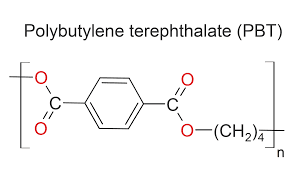
PBT has become the industry standard because of its ability to hold shape after being heat-treated. This means manufacturers can create precise curls, such as C, D, or L curls that remain stable even when exposed to humidity or temperature changes. In addition, PBT fibers are lightweight, flexible, and highly durable, making them ideal for both strip lashes and eyelash extensions.
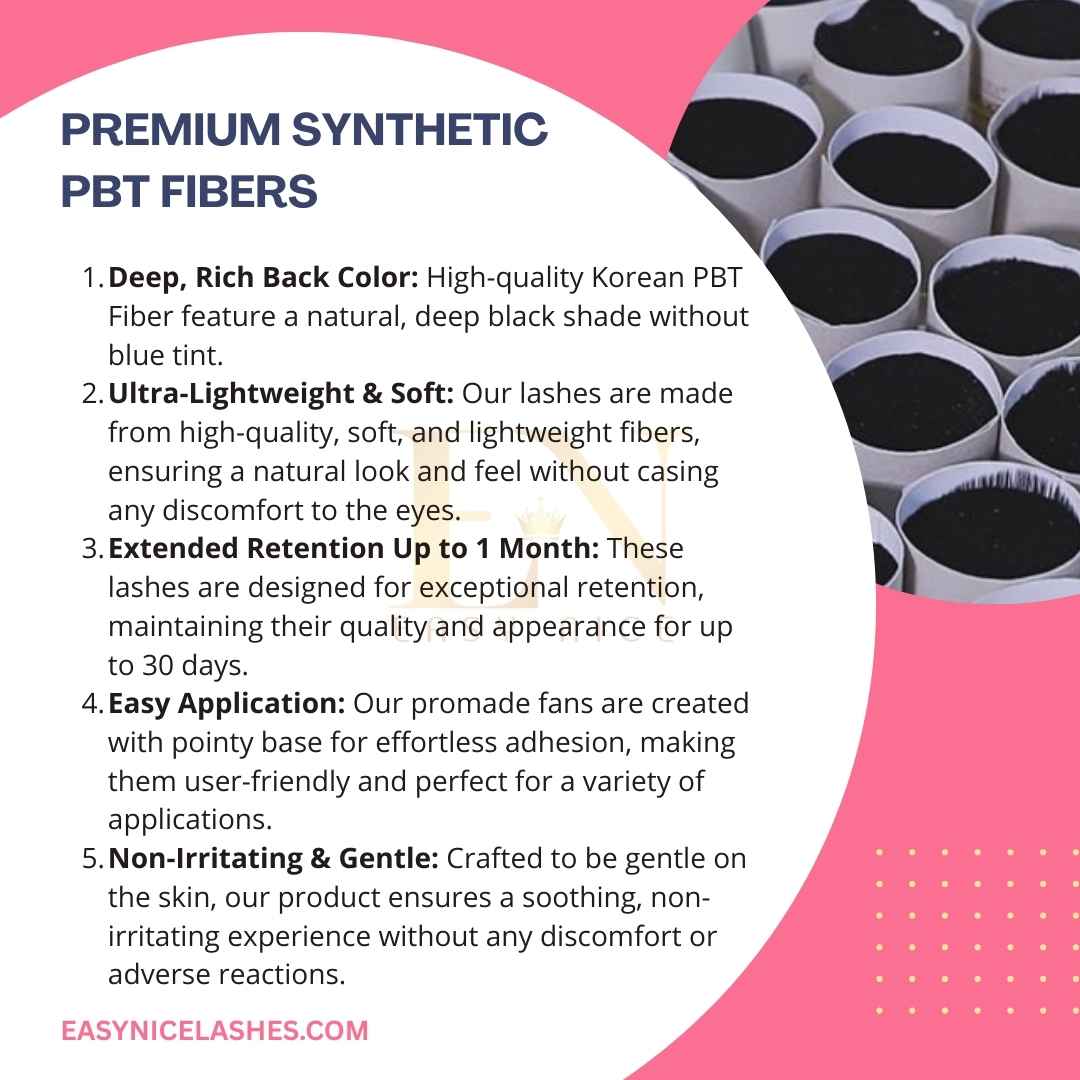
Another important advantage of synthetic materials is consistency. Unlike natural fibers, which can vary from batch to batch, engineered fibers can be produced with exact diameters and uniform quality. This is especially important for professional use, where consistency is critical.
From a materials science perspective, polymers like PBT are preferred due to their thermal stability and flexibility: Polybutylene terephthalate (PBT) on Wikipedia
In real-world use, the quality of synthetic lash materials becomes obvious over time. High-quality fibers maintain their curl, resist deformation, and feel soft to the touch, while lower-quality ones may appear overly shiny, stiff, or unnatural.
Why brands prefer PBT
Compared to natural materials:
| Feature | PBT | Natural Hair |
|---|---|---|
| Curl retention | Excellent | Poor |
| Consistency | High | Low |
| Durability | High | Medium |
| Cost efficiency | Good | Expensive |
That’s why most premium eyelash extension materials today are PBT-based.
You can also explore our blog for more tips on lash care and application techniques: What Are Synthetic PBT Fibers? The Core Material Behind Stunning Lash Extensions
Silk and Faux Mink Lashes: Understanding Industry Terminology
One of the most confusing aspects of lash materials is the use of terms like “silk” and “faux mink.” These names often suggest that the lashes are made from natural materials, but in most cases, they are simply different styles of synthetic fibers.
Silk lashes typically refer to lashes that have a slightly thicker structure and a subtle sheen. They tend to create a more defined, polished look, making them suitable for clients who want a balance between natural and dramatic.
Faux mink lashes, on the other hand, are designed to mimic the softness and appearance of real mink fur. They are usually made from finer fibers with a matte finish, resulting in a more natural, fluffy effect. This style has become extremely popular because it offers the luxury look of mink without the ethical concerns.
For buyers and professionals, it’s important not to rely solely on these labels. Instead, the focus should be on the actual material used, the fiber diameter, and how the lashes are processed. Two products labeled “faux mink” can be completely different in quality depending on the manufacturer.
Natural Materials: Human Hair and Mink Fur
Before synthetic technology became dominant, false eyelashes were often made from natural materials such as human hair or animal fur. While these options still exist, they are much less common today.
Human hair lashes are known for their natural appearance and soft movement. Because they are made from real hair, they blend well with natural lashes. However, they also come with several disadvantages. It is difficult to maintain consistent thickness and curl, and strict hygiene standards are required during production. For these reasons, they are not ideal for large-scale manufacturing.
For a deeper understanding of lash curls and thickness, read our complete breakdown here: The Ultimate Guide to Cruelty-Free Lashes: Your Ethical Choice for Beautiful Eyes
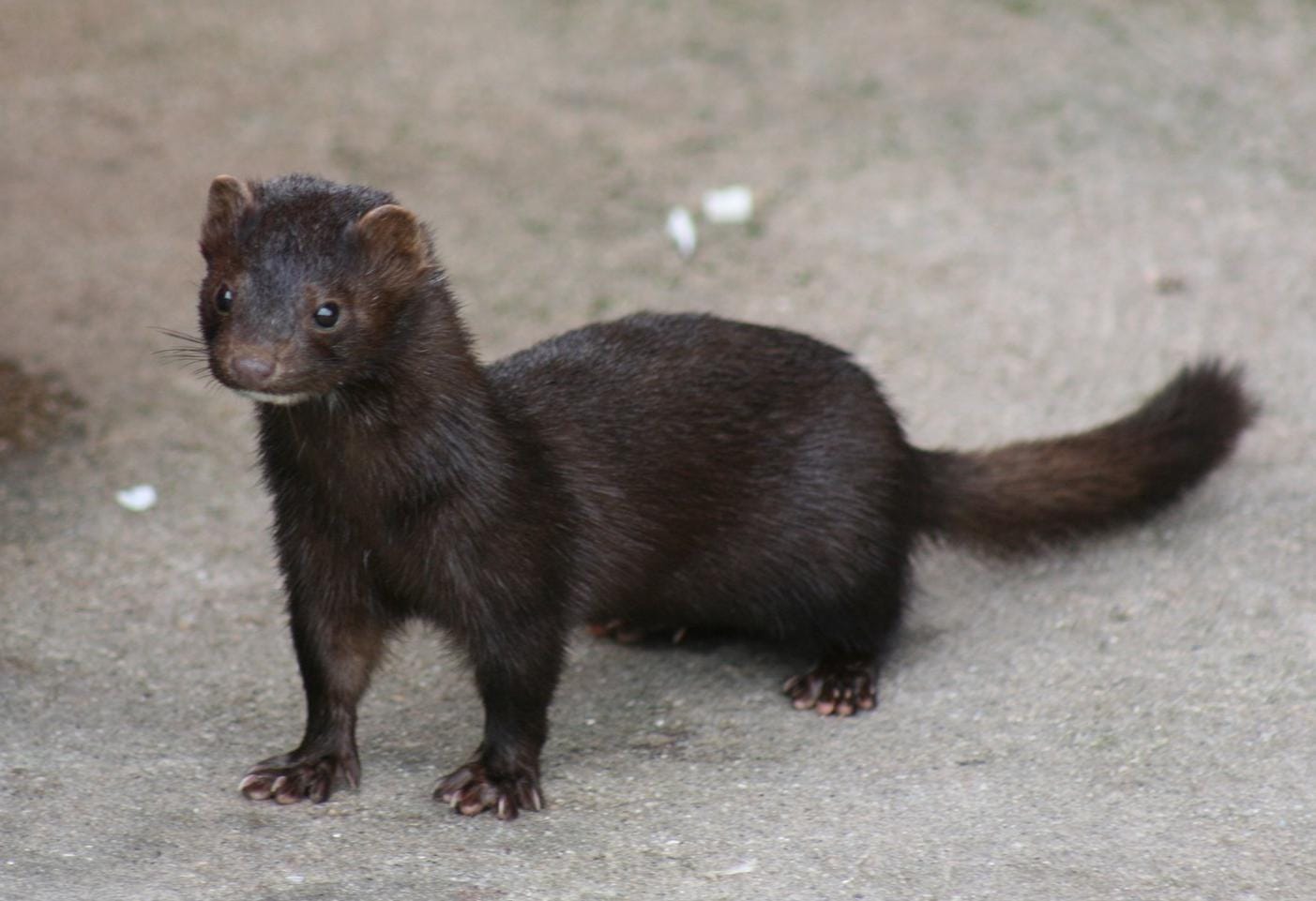
Mink lashes, made from animal fur, were once considered the most luxurious option. They are extremely soft and lightweight, with naturally tapered ends that create a realistic look. However, they are expensive, harder to maintain, and often raise ethical concerns. Additionally, some users may experience allergic reactions.
As a result, the industry has largely shifted toward synthetic alternatives like faux mink, which provide similar aesthetics with better performance and consistency.
This is especially important if you’re choosing between different styles, something we explain in more detail in this guide: 🌱 7 Reasons Why Vegan Lashes Are Taking Over the Beauty Industry
The Importance of Lash Bands
While fibers often get the most attention, the lash band plays an equally important role in overall quality. The band is what holds the fibers together and attaches to the eyelid, so its design directly affects comfort and usability.
There are generally two main types of bands: cotton/thread bands and clear polymer bands. Cotton bands are known for their flexibility and comfort. They adapt well to the shape of the eyelid and are often preferred for long wear. Clear bands, made from thin polymer film, are less visible and create a more seamless look, but they can sometimes feel stiffer depending on their thickness.
A well-designed band should be thin enough to look natural but strong enough to hold the fibers securely. Poor-quality bands may cause lifting at the corners, difficulty during application, or discomfort during wear.
Adhesives: The Most Critical Safety Factor
Among all lash materials, adhesives are the most sensitive component. While lash fibers are generally inert and safe, adhesives come into direct contact with the skin and can release fumes, especially in the case of extension glues.
Strip lash adhesives are designed for temporary use and are typically gentle enough for daily wear. In contrast, professional eyelash extension adhesives are often based on cyanoacrylate, a fast-curing compound that creates a strong bond. While effective, these adhesives can irritate if used improperly or if the user is sensitive to the ingredients.
This is why proper usage is essential. Patch testing, using the right amount of adhesive, and ensuring good ventilation during application can significantly reduce the risk of adverse reactions.
Manufacturing and Quality Control
The process of making false eyelashes involves multiple steps, including fiber production, shaping, curling, cutting, and bonding. High-quality lashes require precise control at every stage.
Synthetic lashes are typically machine-produced, allowing for consistent results and scalability. Premium styles may involve additional manual work to achieve more intricate designs. Regardless of the method, quality control is crucial.
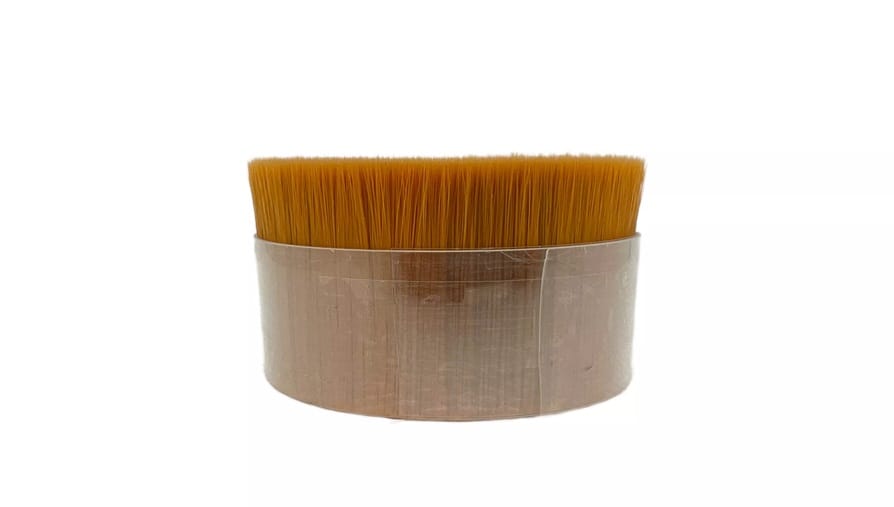
Manufacturers must ensure consistent fiber diameter, stable curl retention, strong bonding, and minimal shedding. Even with good materials, poor manufacturing can lead to a low-quality product.
Choosing the Right Lash Materials
Selecting the right lash materials depends on the intended use. Beginners often benefit from lightweight synthetic lashes with flexible bands, as they are easier to apply and more forgiving. Professionals, on the other hand, prioritize consistency, durability, and precise curl control.
For individuals with sensitive eyes, the focus should be on gentle adhesives and soft, lightweight fibers. In many cases, switching adhesives can solve comfort issues without changing the lashes themselves.
The Future of Lash Materials
The lash industry is evolving rapidly, with increasing demand for sustainable and ethical products. Consumers are becoming more aware of what they use, leading to a shift toward vegan, cruelty-free, and environmentally friendly options.
Synthetic materials, particularly high-quality PBT, are at the center of this transition. They offer the best combination of performance, consistency, and ethical acceptability, making them the future of lash materials.
Conclusion
So, what are false eyelashes really made of? The answer is more technical than most people expect. While terms like silk and mink are still widely used, most modern lashes are made from advanced synthetic fibers, especially PBT.
The quality of a lash product depends not only on the material itself but also on how it is processed, assembled, and tested. Understanding these factors allows both consumers and professionals to make better decisions and achieve better results.

After understanding the materials, you can explore our full lash collection to find the right option for your needs: EasyNice’s Lash Products
FAQs
1. What are most false eyelashes made of?
Most are made from synthetic fibers like PBT, polyester, or nylon.
2. Are faux mink lashes real mink?
No, they are synthetic fibers designed to imitate mink fur.
3. Are synthetic lashes safe?
Yes, they are generally safe. Most issues come from adhesives.
4. What is the best material for eyelash extensions?
PBT is widely considered the best due to its durability and curl retention.
5. Why do some lashes feel uncomfortable?
Usually due to the band or adhesive, not the fiber itself.
About EasyNice
If you are looking for a reliable manufacturer, EasyNice specializes in producing high-quality false eyelashes using advanced lash materials such as premium-grade PBT. With a focus on consistency, natural appearance, and competitive pricing, EasyNice supports lash brands, salons, and distributors worldwide.
Don’t forget to contact us on Instagram, Facebook, and WhatsApp for the best wholesale price
